

Exterior House Painting Tips for a Home That Stands Out
A home’s exterior has a way of setting the tone before anyone even walks through the front door. When the paint looks faded, chipped, or outdated, the entire property can appear older than it really is. On the other hand, a fresh and well-planned paint job can instantly make a home feel cleaner, brighter, and more inviting. The good news is that creating an attractive exterior does not have to mean making dramatic changes. With the right color choices, preparation, and attention to detail, you can give your home a noticeable refresh while protecting its exterior surfaces at the same time.
Start With a Clear Painting Plan
A fresh coat of paint can make a remarkable difference to your home’s appearance, and Frisco house painting offers a practical way to create a cleaner, more inviting exterior while giving the property a refreshed look. Before getting started, walk around your home and examine the walls, trim, doors, and other painted surfaces. Look for peeling areas, cracks, stains, mildew, or damaged sections that may need attention. Identifying these issues early allows you to deal with them before painting begins, which can help the finished result look smoother and last longer.
Choose Colors With Your Home in Mind
Picking an exterior color is about more than choosing a shade you happen to like. The color should complement the existing features of your home, including the roof, windows, landscaping, and architectural style. Neutral colors can provide a timeless appearance, while warmer shades can make a home feel more welcoming. If you prefer something a little more adventurous, consider using a bolder color for the front door or shutters instead of applying it across the entire exterior.
Never Underestimate Surface Preparation
It can be tempting to skip preparation when you are eager to see your home’s new color, but this step can have a major impact on the final result. Paint adheres much better to surfaces that are clean, dry, and properly repaired. Remove dirt and loose paint before applying new coats. Cracks, holes, and damaged areas should also be repaired beforehand. Depending on the condition of the existing paint, sanding or scraping may be necessary to create a smoother surface. Taking the time to prepare properly can prevent your new paint from looking uneven or peeling prematurely.
Select Paint That Suits the Exterior
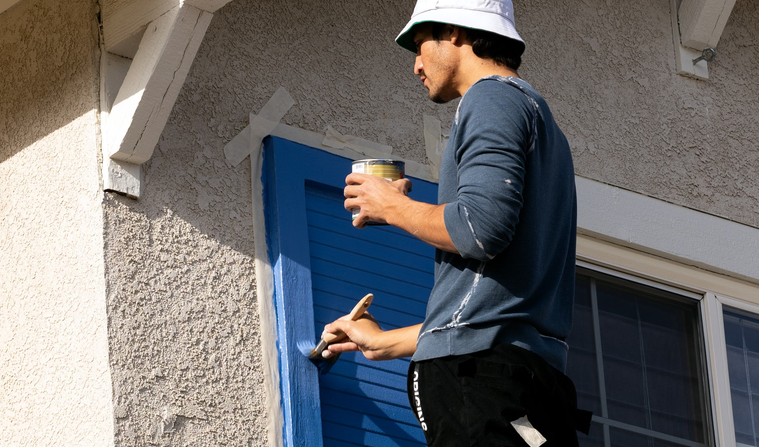
Not all paint is designed to handle the demands of outdoor surfaces. Exterior walls are exposed to sunlight, rain, moisture, and changing temperatures, so choosing a product made specifically for outdoor use is important. Think about the material you are painting as well. Wood, stucco, brick, and other surfaces may require different types of preparation and products. A suitable primer can also provide a better foundation for the topcoat and help the final color appear more consistent.
Use Trim to Add Character
Sometimes the smallest details can have the biggest effect on curb appeal. Painting your home’s trim in a complementary shade can highlight windows, doors, rooflines, and other architectural features. You could keep the trim close to the main exterior color for a subtle appearance or create more contrast for a stronger visual effect. The front door is another area worth considering. A carefully chosen accent color can make the entrance stand out without changing the entire exterior.
Pay Attention to Painting Conditions
The weather can make or break an exterior painting project. Painting during heavy rain, strong winds, or extreme temperatures can make application more difficult and affect drying time. Before beginning, look for a stretch of reasonably stable weather. Allowing each coat enough time to dry can help create a more even and durable finish. It is better to give the project a little extra time than to rush through it and end up with an uneven result.…